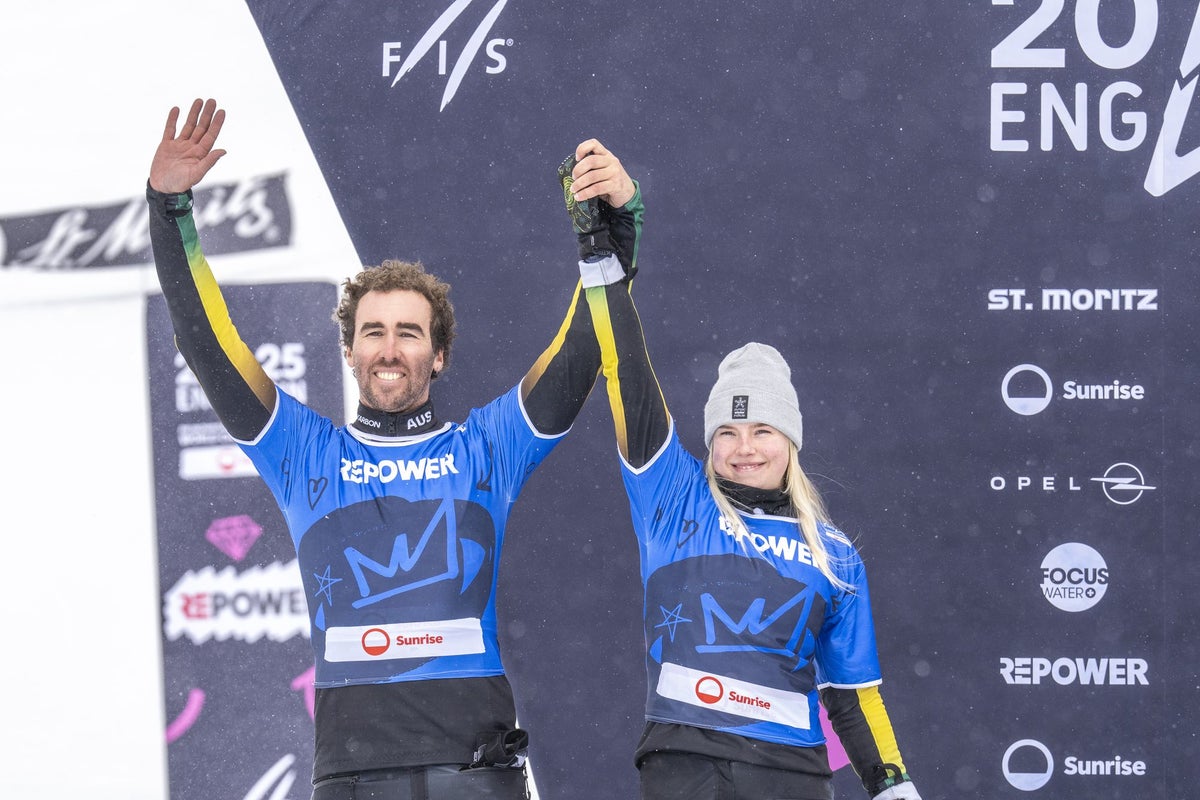
Cam Bolton's Broken Neck: The Perilous Price of Winter Olympics Glory
The Winter Olympics represent the pinnacle of athletic achievement, a quadrennial spectacle where dreams are forged in snow and ice. Yet, for every moment of triumph, there's an inherent risk, a perilous price paid by those who push the boundaries of human capability. This harsh reality has once again been cast into sharp relief with the devastating injury sustained by Australian snowboarding veteran Cam Bolton, whose
Winter Olympics 2026 dream was shattered by a broken neck during a training fall. This incident, impacting a seasoned athlete aiming for his fourth Games, serves as a sobering reminder of the extreme dangers lurking beneath the pursuit of Olympic glory, making "Broken Neck Olympics 2026" a stark headline that captures the essence of this high-stakes environment.
The Incident: A Shattered Olympic Dream for a Snowboard Cross Veteran
The tranquility of a training session for the Milano Cortina 2026 Winter Olympics was abruptly shattered when 35-year-old Cam Bolton, a prominent figure in Australian snowboard cross, suffered a terrifying fall. The initial impact on Monday night (AEDT) didn't immediately reveal the full extent of the damage. Bolton, demonstrating the characteristic toughness of winter sports athletes, continued to experience neck pain, prompting further medical evaluation the following day. It was a subsequent CT scan that delivered the life-altering news: two fractures in his neck. This grave diagnosis immediately ruled him out of the snowboard cross event, which was set to commence just days later.
The severity of the injury necessitated immediate and specialized care. Bolton was swiftly airlifted by helicopter to a hospital in Milan, underlining the critical nature of his condition. For an athlete who has dedicated years to mastering the unpredictable terrain and high-speed maneuvers of snowboard cross, this injury represents not just a physical setback but the crushing end of a meticulously planned Olympic campaign. Chef de mission Alisa Camplin reported that Bolton, despite the seriousness of his condition, was in good spirits and being well looked after, even being joined by his wife – a testament to his resilience and the robust support system surrounding the Australian team. This unfortunate event brings the "Broken Neck Olympics 2026" keyword into sharp focus, highlighting the sudden and dramatic end to an Olympic journey.
Beyond Bolton: A Spate of Injuries Rocking the Australian Team
Cam Bolton's injury, while severe, is tragically not an isolated incident for the Australian contingent preparing for Milano Cortina 2026. The pursuit of Olympic excellence often comes with a significant injury toll, and the Australian team has faced a particularly challenging pre-Games period. Young snowboard halfpipe Olympian Misaki Vaughan, aged just 20, also saw her Olympic debut hopes dashed after hitting her head during training on the same Monday as Bolton's incident. Failing a Head Injury Assessment (HIA), she was automatically ruled out of competition for a minimum of seven days under stringent head injury protocols, prioritizing athlete welfare above all else.
Adding to the list of setbacks, aerials medal favourite Laura Peel sustained a knee injury at a pre-Olympics training camp, while promising young freeskier Daisy Thomas also suffered a knee injury in a fall. While Thomas remains hopeful of competing in the big air event and Peel is making progress, these injuries underscore the inherent risks in these high-octane disciplines.
Australian chef de mission Alisa Camplin, herself an Olympic aerials gold medallist who famously competed on two fractured ankles in 2002, spoke candidly about the difficult conversations with injured athletes. "That's always a difficult conversation, but at the end of the day, health is the most important thing," Camplin stated, emphasizing the team's commitment to athlete safety. She acknowledged the unfortunate reality that "with winter sport injuries happen along the way, in 53 athletes doing relatively high risk sports it’s not something that’s unusual I’m afraid to say." This string of misfortunes has undoubtedly rocked the team, as further detailed in our article:
Australian Olympic Team Rocked by String of Injuries for Milano Cortina 2026. The "Broken Neck Olympics 2026" narrative is a prominent, but not solitary, example of the physical demands on these elite athletes.
The Perilous Price of Glory: Understanding Winter Sports Risks
The high-octane nature of winter sports, particularly disciplines like snowboard cross, slopestyle, halfpipe, and aerials, inherently carries a significant risk of injury. Athletes hurtle down icy slopes at incredible speeds, execute complex aerial maneuvers, and navigate challenging courses designed to test their limits. The combination of speed, height, rotation, and unpredictable snow or ice conditions creates a volatile environment where a fraction of a second's misjudgment can lead to catastrophic consequences.
**Factors contributing to injury risk in winter sports include:**
- High Speeds: Snowboard cross racers can exceed 80 km/h, making falls incredibly impactful.
- Complex Maneuvers: Jumps, rotations, and inverted tricks put immense strain on joints and increase the likelihood of awkward landings.
- Unpredictable Surfaces: Changing snow conditions, ice patches, and ruts can cause unexpected loss of control.
- Contact and Collisions: In races like snowboard cross, close proximity to other competitors increases the chance of collisions.
- Fatigue: Intense training schedules and competition pressure can lead to physical and mental fatigue, impairing reaction times and decision-making.
- Specialized Equipment: While protective gear (helmets, back protectors, joint pads) is mandatory, it cannot eliminate all risks, especially in high-velocity impacts like the one resulting in Cam Bolton's broken neck.
The desire to push boundaries, to innovate new tricks, and to shave milliseconds off race times is central to the Olympic spirit but also elevates the risk profile. Sports science continually works to mitigate these dangers through improved equipment, course design, and training methodologies. However, as the unfortunate events leading to Cam Bolton's "Broken Neck Olympics 2026" situation demonstrate, the human body has its limits, and the pursuit of glory sometimes comes at an incredibly high physical cost.
Recovery and Resilience: The Road Ahead for Injured Olympians
An injury as severe as a broken neck demands a meticulous and extended recovery process. For Cam Bolton, the immediate priority will be stabilization, pain management, and assessing the full extent of the nerve damage, if any. Rehabilitation will involve a lengthy period of immobilization, followed by gentle physiotherapy to restore mobility and strength, gradually progressing to more intensive exercises. This journey is not just physical; the mental and emotional toll of missing an Olympic dream, especially for a veteran like Bolton, is profound.
**Key aspects of an athlete's recovery journey often include:**
- Immediate Medical Intervention: Rapid diagnosis and treatment are crucial for minimizing long-term damage.
- Specialized Rehabilitation: Tailored physical therapy, occupational therapy, and pain management strategies.
- Psychological Support: Dealing with the emotional impact of injury, loss of competition, and uncertainty about the future requires strong mental health resources. Athletes often grieve the loss of their season or career.
- Patience and Persistence: Recovery is rarely linear. Athletes must maintain discipline and motivation through setbacks.
- Team and Family Support: A robust support network is vital for practical and emotional assistance.
- Gradual Return to Sport: A carefully managed, progressive return to training, with close medical supervision to prevent re-injury.
The fact that Bolton is reportedly in good spirits, despite the severity of his "Broken Neck Olympics 2026" injury, speaks volumes about the incredible resilience inherent in elite athletes. Their careers are a continuous cycle of pushing limits, recovering from minor setbacks, and maintaining an unwavering focus. While this particular injury might signify the end of his competitive Olympic career, the lessons learned and the mental fortitude displayed will undoubtedly serve him well in whatever path he chooses next. The support from his team, family, and the wider sporting community will be instrumental in his long road to recovery.
Conclusion
Cam Bolton's broken neck, sustained during training for the Milano Cortina 2026 Winter Olympics, is a stark reminder of the inherent dangers that accompany the pursuit of excellence in extreme sports. His shattered Olympic dream, alongside a string of other injuries affecting the Australian team, underscores the perilous price athletes often pay for the chance at glory. While the world celebrates their awe-inspiring feats, it's crucial to acknowledge the courage, dedication, and immense personal sacrifice involved. The "Broken Neck Olympics 2026" narrative highlights not only the fragility of the human body under extreme stress but also the incredible resilience of the human spirit. As Cam Bolton embarks on his challenging recovery, his story serves as a poignant testament to the extraordinary commitment of Olympians and the unwavering priority that must always be placed on their health and well-being.