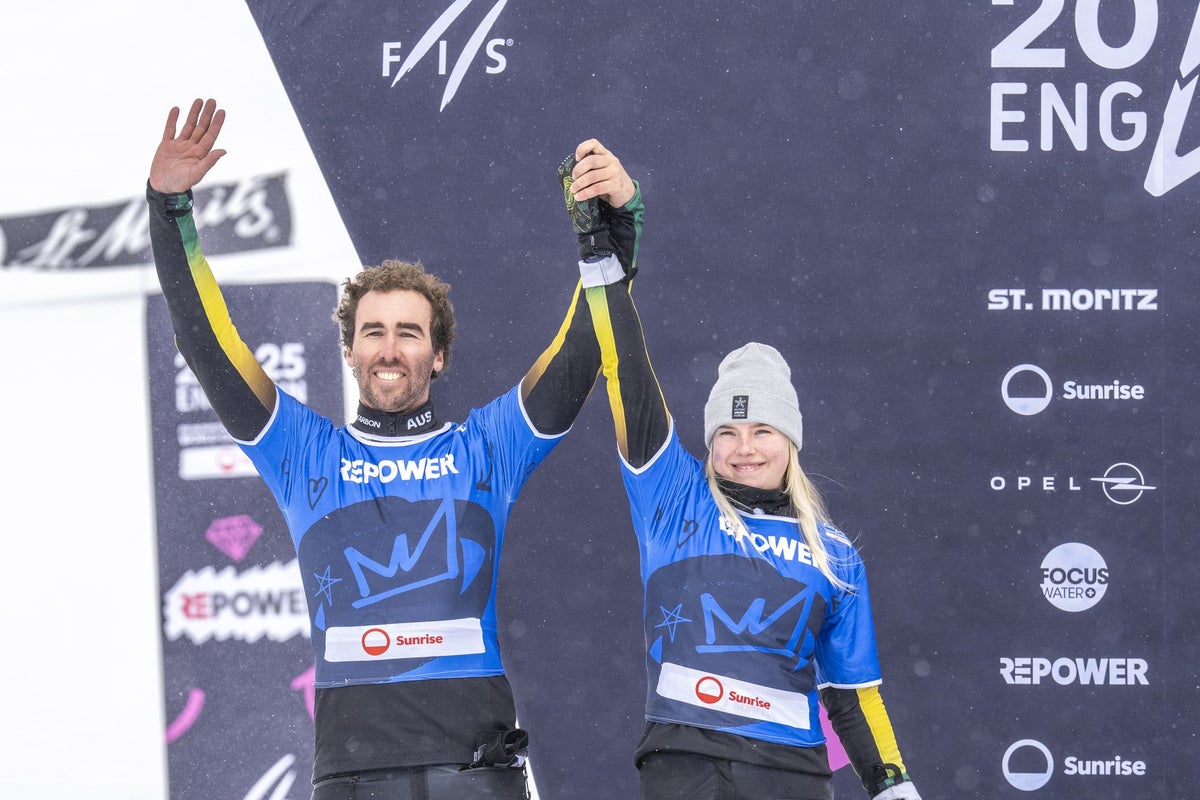
Cam Bolton's Winter Olympics 2026 Dream Shattered by Neck Injury
The world of elite winter sports is a thrilling spectacle of human endurance, skill, and daring, but it's also one fraught with inherent risks. This harsh reality was brought into stark, heartbreaking focus for the Australian Olympic team with the devastating news that veteran snowboarder Cam Bolton has suffered a severe neck injury during training, effectively ending his campaign for the Milano Cortina 2026 Winter Olympics. The 35-year-old’s dream of competing at his fourth Olympic Games was tragically cut short by a terrifying fall, leaving him with two neck fractures and ruling him out of the highly anticipated snowboard cross event. The incident casts a somber shadow over the team, highlighting the perilous price athletes sometimes pay in their pursuit of glory.
The Fateful Fall: A Veteran's Olympic Dream Crumbles
The incident unfolded on Monday night (AEDT) during a practice session for the upcoming Winter Olympics. Cam Bolton, a seasoned competitor known for his tenacity and skill in snowboard cross, took a fall that initially seemed manageable. However, the true extent of his injury wasn't immediately clear. The following day, as Bolton awoke with persistent and worsening neck pain, Australian team medical staff escalated his care. A subsequent CT scan delivered the devastating diagnosis: two neck fractures. This grave injury meant an immediate end to his Olympic aspirations for 2026.
Following the confirmation of his
Broken Neck in the Olympics build-up, Bolton was swiftly airlifted from the mountain practice site to a hospital in Milan for further specialist treatment. Despite the seriousness of his condition and the crushing blow to his Olympic hopes, Australia’s chef de mission, Alisa Camplin, reported that Bolton was in remarkably good spirits, surrounded by his wife and the unwavering support of his team. Camplin conveyed Bolton's desire for his teammates to know he was "fine and doing well and being looked after well," a testament to his resilient spirit and concern for others even in his moment of profound personal setback. For an athlete who had competed in three previous Games, finishing a commendable 13th in Beijing and 9th in the inaugural team event, the forced withdrawal from Milano Cortina 2026 is a particularly bitter pill to swallow. His place in the men's seeding round has now been taken by a debutant, marking a poignant end to one chapter and the unexpected beginning of another.
Beyond Bolton: A String of Injuries Rocks the Australian Team
Unfortunately, Cam Bolton's injury is not an isolated incident for the Australian contingent preparing for Milano Cortina 2026. The team has been plagued by a worrying string of setbacks, underscoring the brutal physical demands of elite winter sports. The most prominent amongst these, besides Bolton's broken neck, include:
- Misaki Vaughan: The young snowboard halfpipe Olympian's debut dreams were also dashed after she sustained a head injury during training on the same day as Bolton's crash. Failing a Head Injury Assessment (HIA) under the team’s strict concussion protocols, Vaughan was ruled out of competition for a minimum of seven days, making her ineligible for her event.
- Laura Peel: A medal favourite in aerials and a two-time world champion, Peel injured her knee at a pre-Olympics training camp. While the severity suggests a challenging recovery, the four-time Olympian has not given up hope of competing and landing that elusive medal.
- Daisy Thomas: The promising young freeskier also suffered a knee injury in a fall, leading to her withdrawal from the slopestyle event. However, she remains optimistic about competing in the big air discipline.
Chef de mission Alisa Camplin expressed the profound difficulty of these conversations with injured athletes, stating, "Today was a hard day because we had to share with two athletes that they wouldn’t be progressing further through the Games. That’s always a difficult conversation, but at the end of the day, health is the most important thing." Camplin, herself a former aerials gold medalist who famously competed in Salt Lake City 2002 with two fractured ankles, understands the sacrifices and heartache involved. Her empathy and focus on athlete welfare are critical during such challenging times. The accumulative effect of these injuries undoubtedly places immense pressure on the team, both physically and psychologically, prompting concerns across the Australian camp. You can read more about these challenges in our related article:
Australian Olympic Team Rocked by String of Injuries for Milano Cortina 2026.
The Brutal Reality of Elite Winter Sports: Risk, Resilience, and Recovery
The series of injuries highlights the inherent dangers woven into the fabric of high-performance winter sports. Disciplines like snowboard cross, aerials, and freeskiing push the human body to its absolute limits, demanding incredible speed, intricate aerial maneuvers, and precise control in often unpredictable environments. When things go wrong, the consequences can be severe, as evidenced by Cam Bolton’s
Broken Neck in the Olympics lead-up.
Navigating the Perilous Path:
- Advanced Medical Protocols: The immediate response to Cam Bolton’s injury, from on-site medical staff assessment to the prompt CT scan and helicopter transfer, exemplifies the sophisticated medical infrastructure supporting elite athletes. Strict concussion protocols, like the HIA that ruled out Misaki Vaughan, are non-negotiable, prioritizing long-term health over immediate competition.
- The Role of Technology and Safety: While equipment continues to evolve with advanced safety features and course designers strive to create challenging yet safe environments, the fundamental physics of gravity, speed, and impact remain. Athletes constantly push boundaries, making injuries an unavoidable, albeit tragic, part of the equation.
- Mental Fortitude and Support: Beyond the physical pain, the mental toll of a career-threatening injury, especially one that shatters an Olympic dream, is immense. Athletes grapple with disappointment, frustration, and uncertainty about their future. The unwavering support from teammates, coaches, family, and medical staff is crucial for navigating this difficult psychological landscape. Bolton's concern for his teammates even from his hospital bed speaks volumes about the camaraderie within the Olympic unit.
- The Long Road to Recovery: A broken neck is a life-altering injury, requiring extensive rehabilitation, patience, and a meticulously managed recovery plan. For athletes, the goal is not just to heal but to regain the strength, flexibility, and confidence to potentially return to a high-impact sport – a journey that can take months, or even years.
Alisa Camplin’s poignant reflection, "My heart breaks on their behalf – I know how much work goes into an Olympic dream," encapsulates the collective sentiment. In a sport where glory is often separated from grave injury by mere millimeters or split seconds, the resilience of these athletes, both in competition and recovery, is truly remarkable.
What's Next? The Road Ahead for Bolton and the Team
For Cam Bolton, the immediate future involves intensive medical care and a focus on healing his neck fractures in Milan. The path to recovery from such a significant injury will be long and arduous, demanding immense physical and mental strength. While his Olympic dream for Milano Cortina 2026 is definitively over, his spirits, as reported, offer a glimmer of hope for his long-term health and potential future endeavors, though a return to elite snowboarding will be a decision made with extreme caution and comprehensive medical guidance.
Meanwhile, the rest of the Australian Olympic team must regroup and rally. The focus now shifts to supporting the injured athletes through their recovery processes, while also ensuring the remaining competitors can perform at their best despite the emotional impact of these setbacks. The team's resolve will be tested, but the spirit of camaraderie and determination that defines Olympic athletes will undoubtedly shine through. The vacant spot in the snowboard cross will be filled, and the remaining athletes, including those still recovering like Laura Peel and Daisy Thomas, will continue to push for their own Olympic dreams, embodying the very essence of perseverance in the face of adversity.
Conclusion
Cam Bolton's devastating neck injury serves as a stark reminder of the razor-thin margin between triumph and tragedy in elite sports. His shattered dream of competing in the Winter Olympics 2026, alongside the string of other injuries afflicting the Australian team, underscores the immense risks athletes willingly undertake for their passion. While the immediate focus remains on Bolton's recovery and the welfare of all injured athletes, this moment also highlights the incredible resilience, the unwavering support systems, and the sheer human spirit that define the Olympic movement. As the world watches Milano Cortina 2026, the absence of these valiant competitors will be felt, but their courage in facing these challenges will undoubtedly inspire future generations of athletes.